Exploring the Most Popular NAS for Home Users

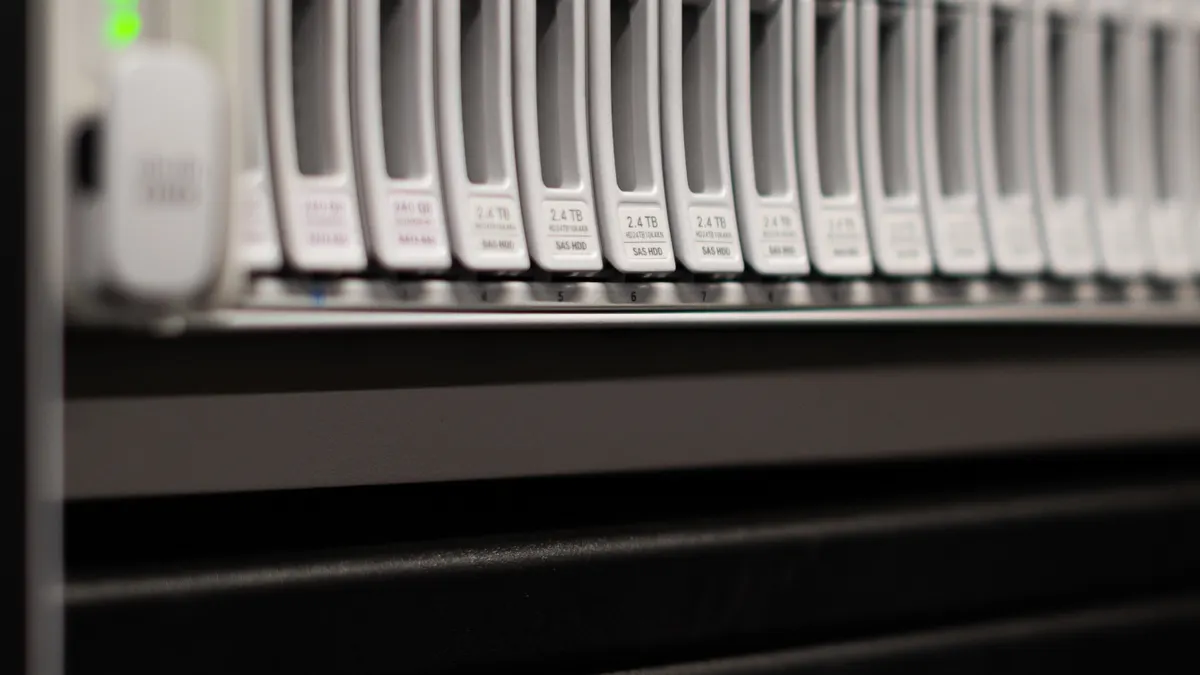
Welcome to the World of NAS
What is a NAS Server?
Understanding Network-Attached Storage
A NAS server, short for Network-Attached Storage, is a revolutionary technology that provides a centralized storage solution for all your digital content. It's like having your own personal cloud right at home! With a NAS server, you can store and access files, media, and documents from any device within your home network.
The report highlights the market growth based on the scalability, cost-effectiveness, and ease of use of NAS devices. According to the survey and market analysis, the 2-bay design segment is expected to be the fastest growing segment in the NAS market. This means that more and more users are recognizing the value of having a dedicated storage solution at home.
Why NAS is a Game-Changer for Home Users
Storage, Backup, and Media in One Place
NAS devices are becoming an essential part of modern homes due to their versatility and convenience. They offer not only ample storage space but also seamless backup solutions and media streaming capabilities. As data generation continues to rise and remote work becomes more prevalent, having a reliable storage system like a NAS server is crucial.
The report also emphasizes that energy-efficient solutions targeting small and medium-sized businesses and homes are driving the growth of the NAS market. This aligns with the increasing need for efficient yet powerful storage solutions in today's digital age.
Discovering the Most Popular NAS Devices for Home Users

When it comes to choosing a Network-Attached Storage (NAS) device for your home, there are several popular options that cater to different storage needs and preferences. Let's explore some of the most sought-after NAS devices that have garnered attention from home users.
Synology DiskStation: A Household Name
Synology has established itself as a leading brand in the NAS market, offering a range of reliable and feature-rich devices. The Synology DiskStation DS224+ is a standout choice for home users looking for robust storage solutions. With its 2-bay design and support for up to 32TB of storage, this NAS device provides ample space to store media, documents, and backups. Additionally, the DiskStation DS223j is another popular option known for its affordability and user-friendly interface.
QNAP: The Power User's Choice
For those seeking advanced features and performance, QNAP offers compelling options such as the QNAP TS-464 and TS-264-8G. These two-bay NAS drives come equipped with powerful hardware and versatile software capabilities, making them ideal for power users who require efficient data management and seamless access to their files.
Other Noteworthy Mentions
Apart from the leading brands, there are other notable contenders in the NAS market. The TerraMaster F2-223 stands out as an affordable yet capable NAS solution with two drive bays, providing flexibility in storage expansion. Similarly, the Asustor Flashstor 6 FS6706T offers impressive performance and features tailored for home users seeking a reliable storage solution.
In addition to these specific models, there are numerous other NAS devices available on the market that cater to various storage needs and usage scenarios.
In my experience as a technology enthusiast, I've found that each of these devices has its unique strengths and advantages. It's essential to consider factors such as storage capacity, connectivity options including Ethernet ports, RAM size, and compatibility with different hard drives when selecting a suitable NAS device for your home.
By carefully evaluating these factors alongside your specific requirements for a home media server or backup solution, you can make an informed decision about which NAS device best aligns with your needs.
How to Choose the Right NAS for Your Home
When it comes to selecting a Network-Attached Storage (NAS server) for your home, understanding your specific storage needs is crucial. Evaluating factors such as storage capacity and RAID types can help you make an informed decision that aligns with your requirements.
Understanding Your Storage Needs
Before investing in a NAS device, it's essential to assess your storage requirements. Consider the volume of data you need to store, whether it's media files, documents, or backups. Additionally, evaluating the potential growth of your digital content over time is important. This assessment will guide you in determining the ideal storage capacity and RAID configuration for your NAS server.
In a recent survey focusing on factors considered most important when choosing a NAS, respondents emphasized the significance of scalability and cost-effectiveness in NAS devices. This aligns with the growing number of Internet users and digital media consumption, indicating the increasing need for efficient storage solutions at home.
When evaluating storage capacity, it's crucial to consider not only your current needs but also future expansion possibilities. Opting for a NAS device that supports multiple drives and offers scalability ensures that you can accommodate your growing storage demands without replacing the entire system.
Furthermore, understanding different RAID types is essential in optimizing data protection and performance. Whether it's RAID 0 for enhanced performance or RAID 1 for data redundancy, each configuration offers distinct advantages based on your specific usage scenarios.
Considering NAS Features and Connectivity
Beyond storage considerations, assessing the features and connectivity options of a NAS device is vital. For home users seeking a comprehensive solution, features such as media server capabilities and cloud access play a significant role in enhancing usability.
A reliable media server NAS device enables seamless streaming of multimedia content across various devices within your home network. This feature is particularly valuable for households with multiple users who wish to access shared media libraries conveniently.
Additionally, cloud access functionality allows you to remotely access and manage your stored data from anywhere with an internet connection. This capability ensures that your files are readily available even when you're away from home, adding flexibility and convenience to your storage solution.
Budget and NAS Drives Worth the Investment
While budget considerations are important, it's essential to prioritize value and performance when investing in a NAS drive. Balancing cost with features and performance ensures that you acquire a solution that meets both your immediate needs and long-term expectations.
In my experience as a technology enthusiast specializing in home networking solutions, I've found that prioritizing quality drives leads to greater satisfaction over time. Investing in reputable brands such as Synology or QNAP, known for their reliability and robust feature sets, often proves worthwhile in the long run.
By carefully weighing factors such as storage needs, features like hybrid backup sync capabilities offered by leading brands like QNAP, and budget constraints when selecting a NAS device for your home setup, you can make an informed decision that aligns with both practicality and efficiency.
To learn more about how Network-Attached Storage (NAS) devices can revolutionize home organization by providing centralized storage solutions for all digital content including media files, documents & backups view this article.
NAS Setup and Maintenance Tips

Setting up a Network-Attached Storage (NAS) server for your home is an exciting endeavor that can transform the way you manage and access your digital content. Once you've chosen the right NAS device based on your storage needs and preferences, it's essential to follow proper installation and maintenance practices to ensure optimal performance and data security.
Easy Steps to Set Up Your NAS Server
When embarking on the setup process for your NAS server, it's crucial to begin with the installation and configuration basics. Most NAS devices come with user-friendly setup wizards that guide you through the initial installation steps. These typically involve connecting the NAS device to your home network, configuring administrative settings, and creating user accounts for accessing the stored data.
In my experience as a technology enthusiast, I've found that following the manufacturer's instructions meticulously during the initial setup ensures a smooth transition into using your new NAS device. Paying attention to details such as wired network speed during the setup process can also optimize data transfer rates within your home network.
Additionally, leveraging external USB hard disks for initial data migration or backup purposes can expedite the setup process by allowing you to transfer existing files seamlessly onto your new NAS server. This approach streamlines the transition from traditional storage solutions to a centralized NAS system while preserving your valuable digital content.
Keeping Your NAS Server Running Smoothly
Once your NAS server is up and running, regular maintenance practices are paramount in ensuring its longevity and reliability. One of the most critical aspects of maintaining a NAS device is staying updated with regular updates and implementing robust security practices.
Regular firmware updates provided by the manufacturer often include bug fixes, performance enhancements, and security patches that fortify your NAS server against potential vulnerabilities. By staying proactive in applying these updates, you safeguard your data and maintain optimal functionality within your home network environment.
In addition to software updates, implementing stringent security practices such as setting strong passwords, enabling two-factor authentication where available, and restricting remote access protocols further bolsters the integrity of your NAS system. These measures mitigate potential risks associated with unauthorized access or cyber threats, safeguarding both personal and professional data stored on the NAS server.
Furthermore, my research into optimizing hard disk configurations within a NAS environment has revealed that periodically evaluating disk health through diagnostic tools can preemptively identify potential issues before they escalate into critical failures. This proactive approach minimizes downtime and safeguards against data loss due to hardware malfunctions.
Wrapping Up
The Future of Home Storage
As technology continues to advance, the future of NAS storage appears promising, driven by several key trends. Newer NAS devices are faster, more efficient, and offer greater storage options than their predecessors. Additionally, advancements in Cloud Personal NAS technology are making it easier to use NAS and cloud storage together, creating hybrid storage solutions that cater to diverse user needs.
In an ever-evolving digital world, NAS has become an essential part of data management and storage in both business and home environments. Their ability to offer centralized storage, scalability, security, and ease of use make them indispensable in a landscape where the amount of data generated and consumed continues to increase.
Experts predict a bright future for NAS technology as it adapts to meet the demands of both individuals and businesses. As storage needs continue to grow and diversify, NAS solutions will incorporate innovations to enhance performance, security, and usability. These innovations include a focus on Cloud Mirror integration, AI integration for enhanced functionality, and an increased emphasis on security measures.
The evolving landscape of technology and data management shapes the future of NAS storage. As such, the industry is expected to witness continuous advancements that align with the changing needs of users in an increasingly digital world.
To learn more about how Network-Attached Storage (NAS) devices can revolutionize home organization by providing centralized storage solutions for all digital content including media files, documents & backups view this article.
Making the Right Choice for Your Home
In conclusion, the future of NAS storage is shaped by the evolving landscape of technology and data management. As storage needs continue to grow and diversify, NAS solutions will adapt to meet the demands of both individuals and businesses, incorporating innovations to enhance performance, security, and usability.
See Also
Top 3 Luxury Electric Vehicles for 2024

